
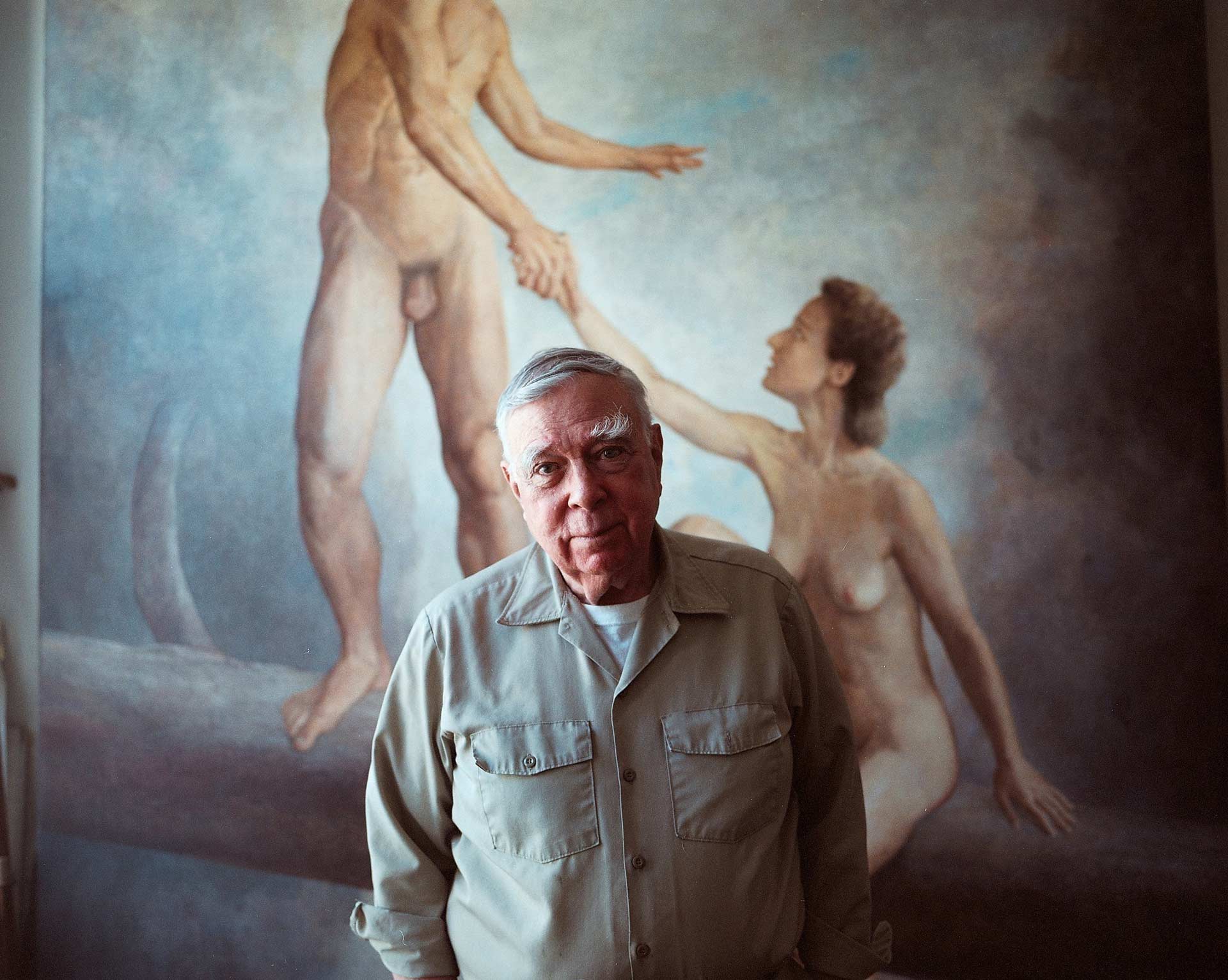
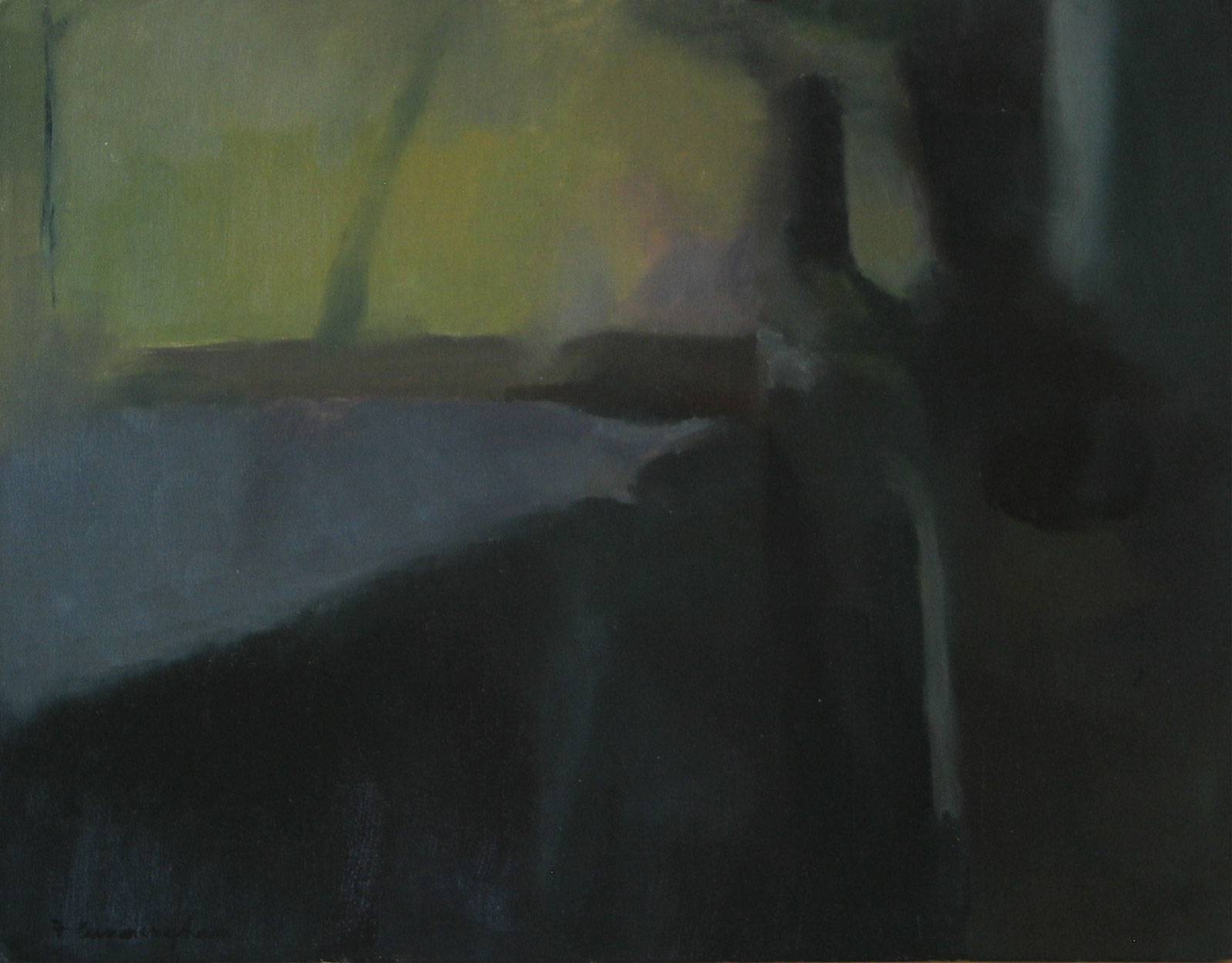
The Artist
Francis Cunningham was born in New York City in 1931. He studied drawing and anatomy with Robert Beverly Hale and painting with Edwin Dickinson at the Art Students League. His work has been presented in major exhibitions in the United States and Europe. An influential teacher, he co-founded the New Brooklyn School of Life, Painting, Drawing & Sculpture, Inc. (1980–1983), and the New York Academy of Art, which still exists.
Learn more about him and his approach to painting from life in this biographical essay by John Walsh, director emeritus of the J. Paul Getty Museum in Los Angeles.
Walsh brings an incredible depth of academic and curatorial authority to his writing on Cunningham. His background spanning the Met, the MFA Boston, the Getty, and Yale University explains why his analysis of Cunningham’s work goes so far beyond standard art critique, treating the painter's career with profound historical weight.
This biographical excerpt highlights a crucial moment in the recognition of Cunningham’s legacy: The Century Masters Exhibition in 2013. For an artist who spent decades working against the grain of the mainstream art world, being honored as a "Century Master" by The Century Association—an institution deeply woven into the cultural history of New York—was a major milestone.
That Walsh's biographical essay was later preserved in the 2019 5 Continents Editions monograph speaks to its definitive nature. It bridges the gap between Cunningham the formidable, marine-trained educator and Cunningham the sensitive observer of the human form.
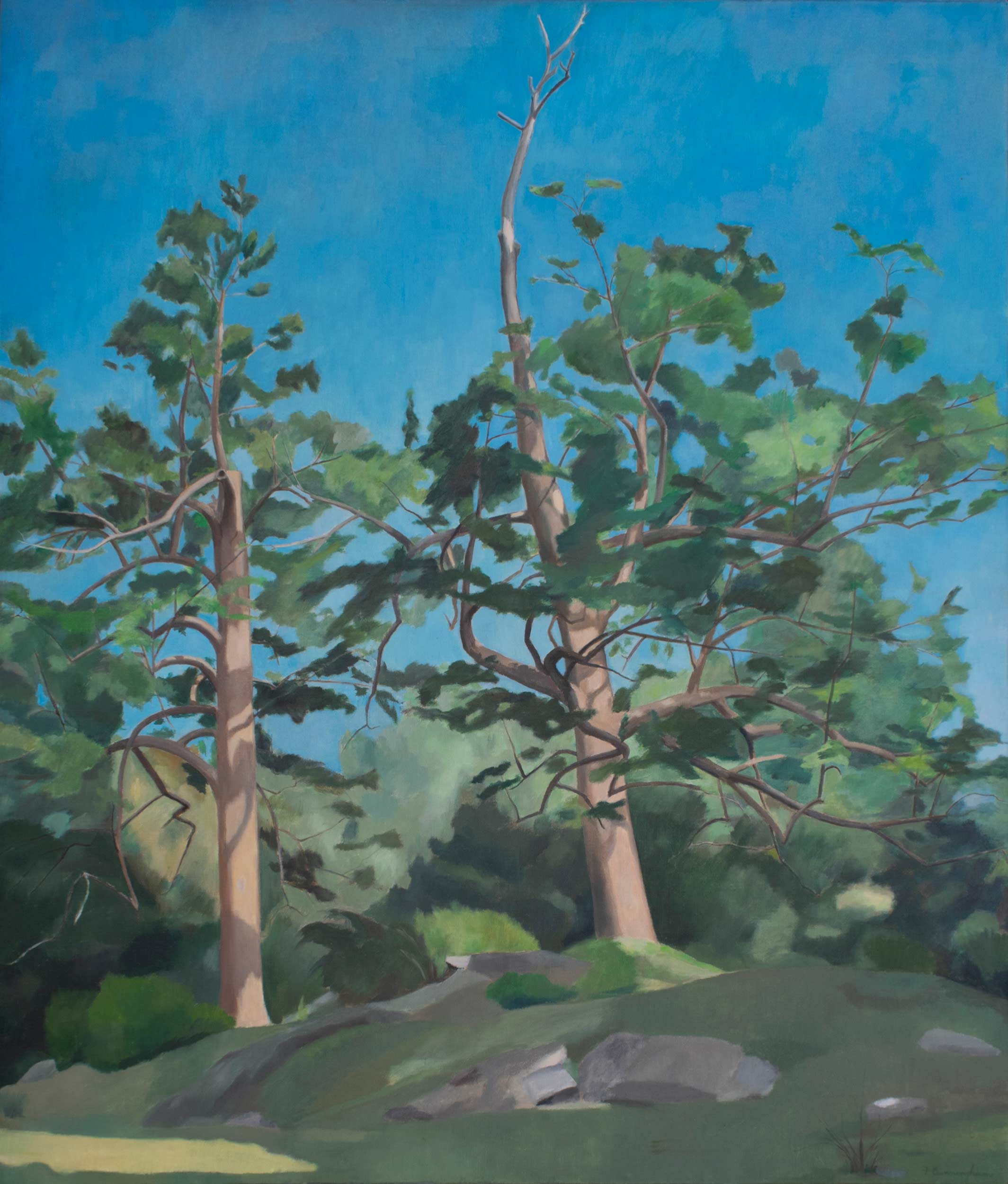
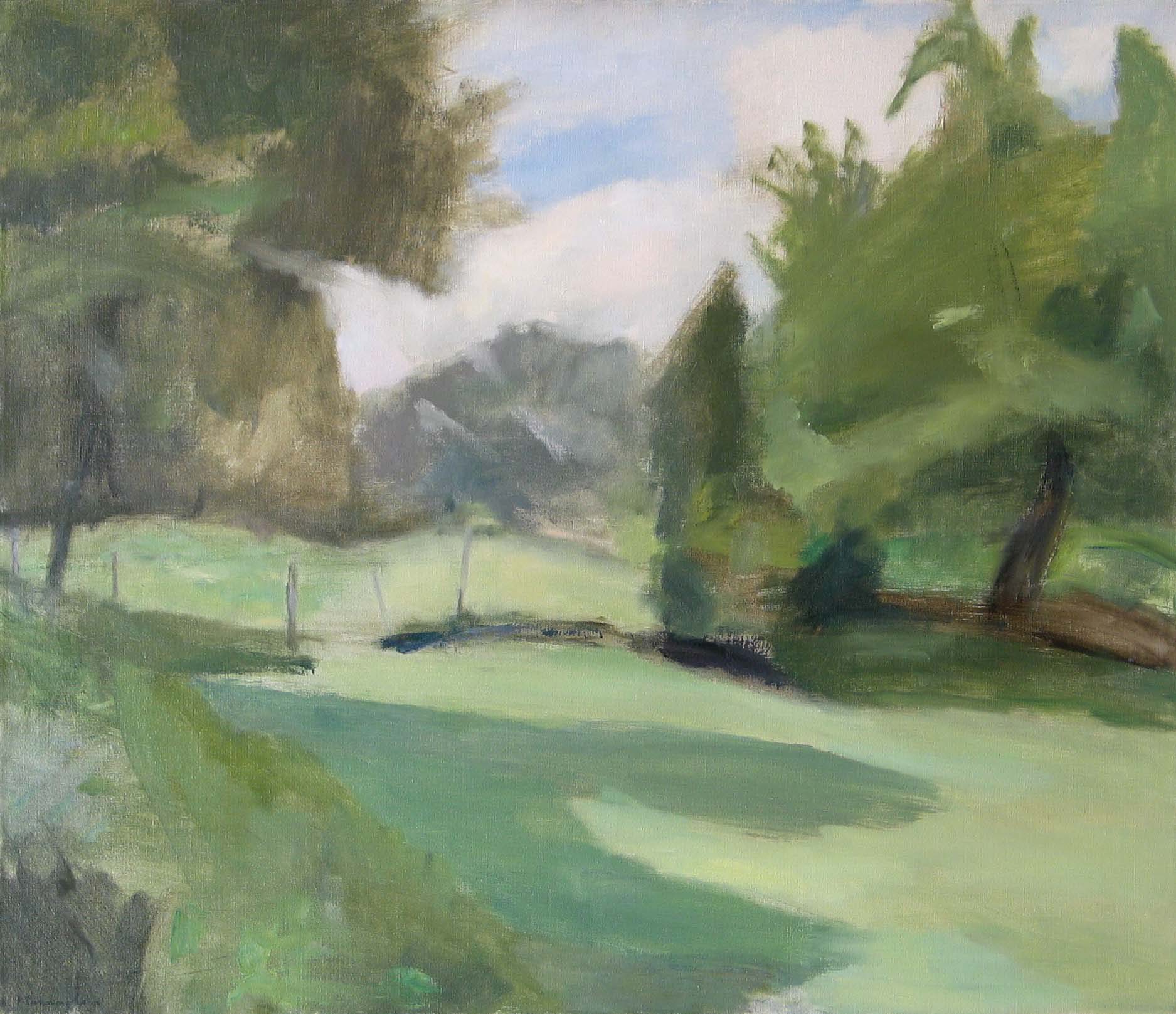
"Francis Cunningham looks for large forms and renders them in broad areas of mostly modulated tone and quiet color. There are no attention-getting brushstrokes, no show of virtuosity. Despite the convincing illusion of deep space he creates, a strong abstract pattern underlies his flat surfaces. Cunningham has painted countless landscapes during the past sixty years, and a good many still lifes, that have been bought by collectors and museums. Another artist would have been satisfied. But the urge to paint the nude has never left him.
Cunningham’s enterprise began at the Arts Students League in New York. He arrived there in 1955 after graduating from Harvard (where he wrote an honors thesis on Van Dyck’s English period) and served for two years in the Marine Corps. The League’s alumni included the major figures of the Abstract Expressionist generation— Pollock, Rothko, Newman, and Guston among others— who were then reaching the peak of their fame, as well, and Cunningham’s new contemporaries, Rauschenberg, Twombly, and Smithson, whose paths diverged dramatically from his own.
Cunningham studied drawing and painting with Edwin Dickinson and anatomy with Robert Beverly Hale. Dickinson’s ideas had a lasting influence on him, reinforcing his commitment to unprejudiced vision and supplying the tools he needed. ..."
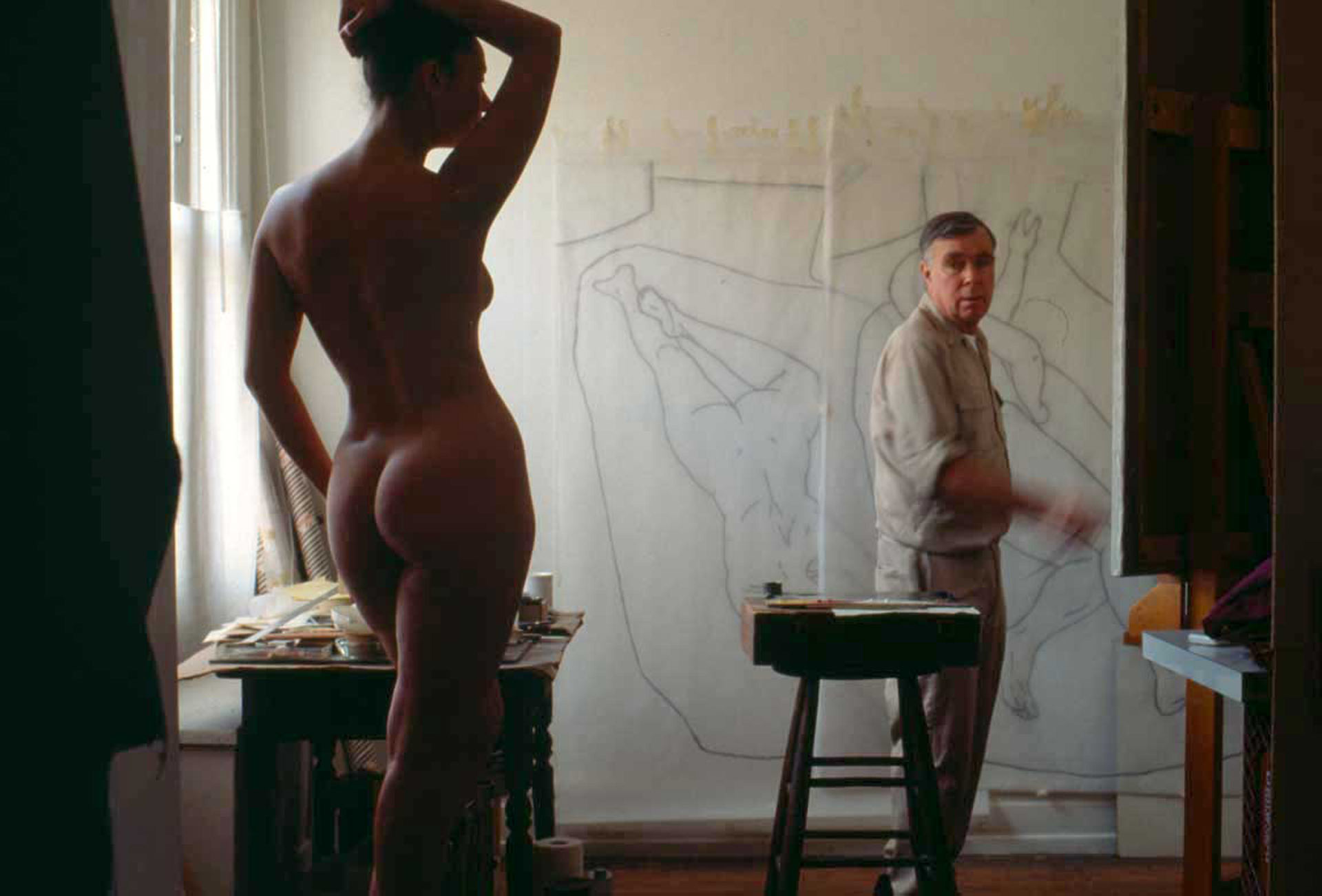
"...In the early 1970’s, while teaching figure drawing and painting at the Brooklyn Museum Art School, he took up the challenge of painting life size figures. In 1979 he co-founded, with sculptor Barney Hodes, The New Brooklyn School of Life Drawing, Painting and Sculpture which later merged with New York Drawing Association and became The New York Academy of Art.
I spent time recently in Cunningham’s studio looking at Reaching, (Peter). We gave it what I think of as a Kandinsky test. (Kandinsky wrote that when he was a young landscape painter, he came upon on of his own pictures lying on its side in the studio and didn’t recognize it—he could see only forms and colors, a revelation.) We stood Cunningham’s nude Reaching on each of its four sides. I saw a great deal that I had missed when it was conventionally upright picture of a nude man in an unusual pose.
I saw strong abstract patterns in his back, delicate shapes in the shadows behind one knee, subtle patterns even on the sole of a foot. These are the product of the painter’s curious, patient observation of “wondrous and unexpected shapes,” and their “occasional ‘marriages’ with adjacent shapes within the body or background.” ..."
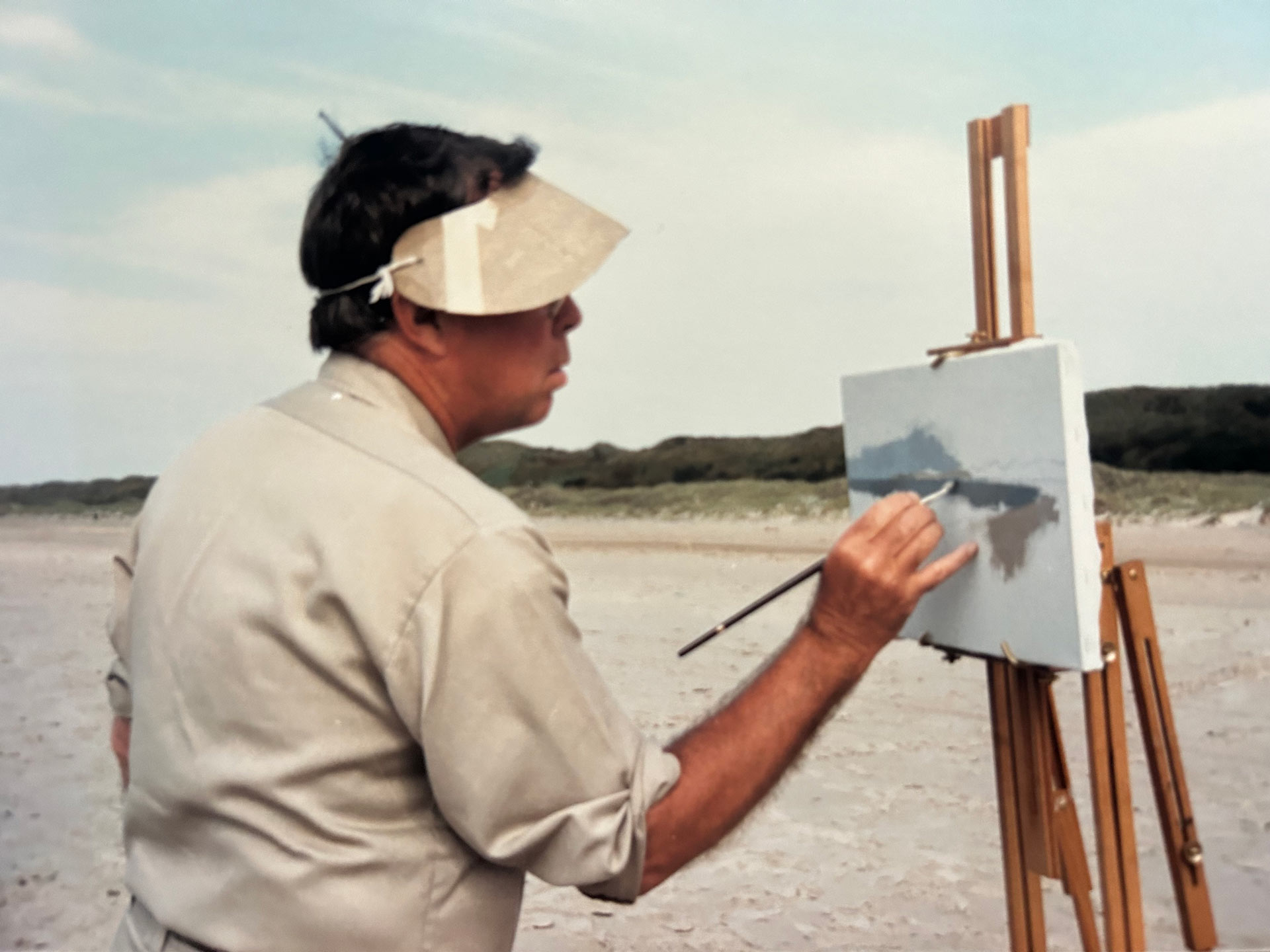
"...It is not just emotion that Cunningham’s models express. They display their youth by their taut physiques and their infirm old age by their sagging shapes, and they invite us to speculate on what their bodies may reveal about their life histories (which in every case Cunningham knows thoroughly). He asks his viewers to confront their own mortality in these fellow human beings.
With conviction and hope, he carries forward several long traditions in painting. His work continues not only the Renaissance humanistic practice of depicting the natural world and living men and women, but also the modern practice of discerning abstract forms in those things and letting those forms determine how they are painted.
As critical consensus of what constitutes artistic progress has dissolved, and more pluralistic views about artistic merit prevail, Cunningham’s paintings may gain an audience of people, including artists, who are willing to look patiently, attentively with open minds, to find beauty in unexpected places."
“Artist & Critic with Don Gray,” featuring Francis Cunningham, broadcast on Manhattan Public Access television, 1975


